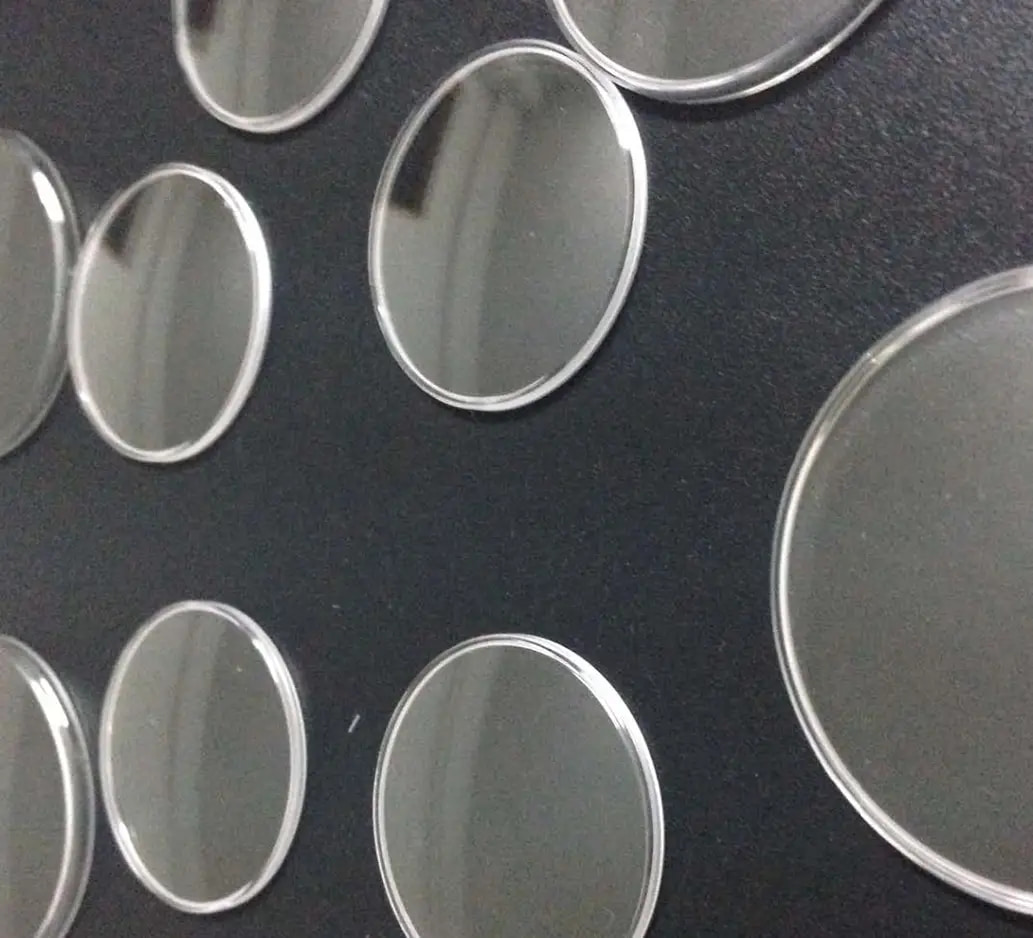
Glass preparation starts with the operation that follows it. A surface intended for coating may need a different preparation from a bonding face, while an optical face may need to remain outside the treatment area. The useful question is which surface needs to change and which properties must be preserved.
DasiAuto’s glass application focuses on surface preparation for subsequent coating and bonding, including the context of glass substrates and wafers used in microsystem packaging. Wet blasting is an abrasive treatment to evaluate for that preparation task. Suitability depends on the particular glass, its geometry and the requirements of the next operation.
The Surface Objective
Define the Surface You Need
The original application brings together cleaning, surface texture and preparation for adhesion. These are related objectives, but they need separate acceptance criteria:
- Surface Cleaning: Identify the contamination or unwanted surface layer to remove and the cleanliness required afterward.
- Surface Texture: Define whether the treated area needs a particular texture and how it will be assessed.
- Coating or Bonding Preparation: Use the requirements supplied for the subsequent process to establish whether the prepared surface is acceptable.
A change in visible texture does not establish that coating adhesion, bonding performance or surface activity has improved. Those outcomes need evaluation through the relevant subsequent operation.
Treatment and Protection
Treat the Required Area and Protect the Rest
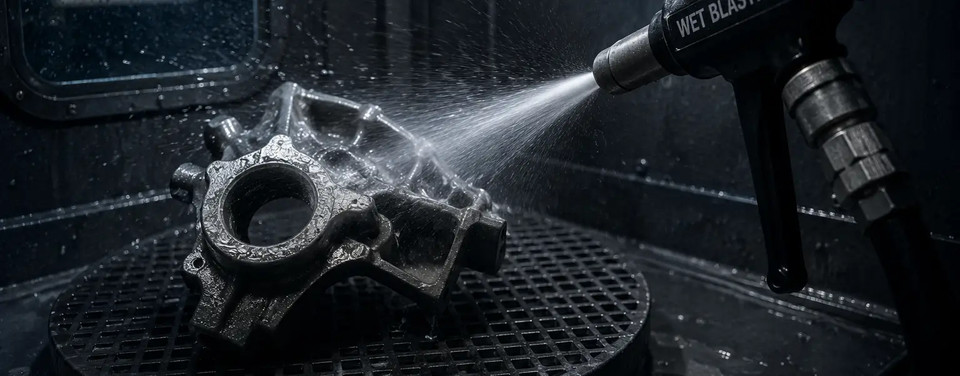
Wet blasting brings abrasive media carried in water into contact with the surface. For glass, the preparation task includes both the area exposed to that action and the way the component is supported and presented.
The starting point is a drawing that identifies the treatment face, edges, openings and any areas that must remain untreated. Glass type, thickness, existing coatings and handling restrictions belong in the same brief. They help define an evaluation of abrasive selection, treatment exposure and part support without assuming that one setting suits every substrate.
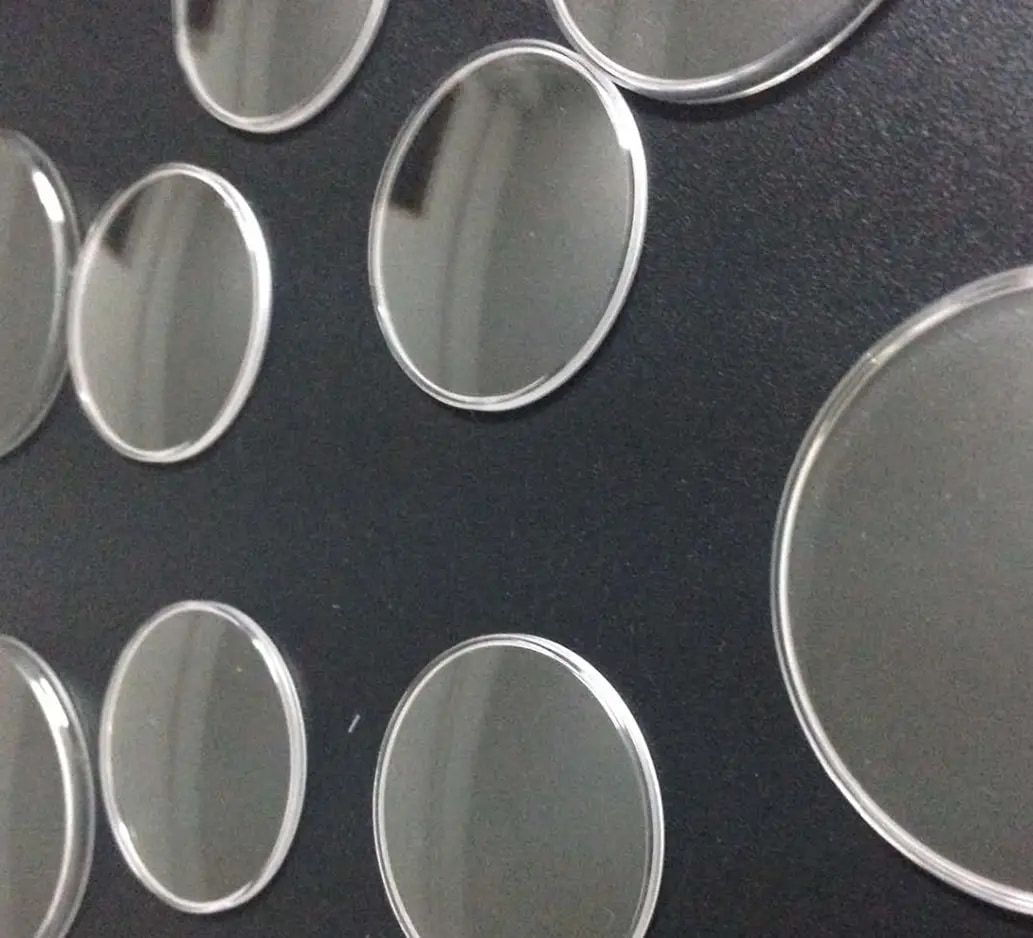
Where a face must retain its transparency or optical finish, specify that requirement separately from the texture needed on a coating or bonding area. The proposed process should be judged against both requirements on representative samples.
Surface Appearance
Surface Appearance and Preparation Requirements
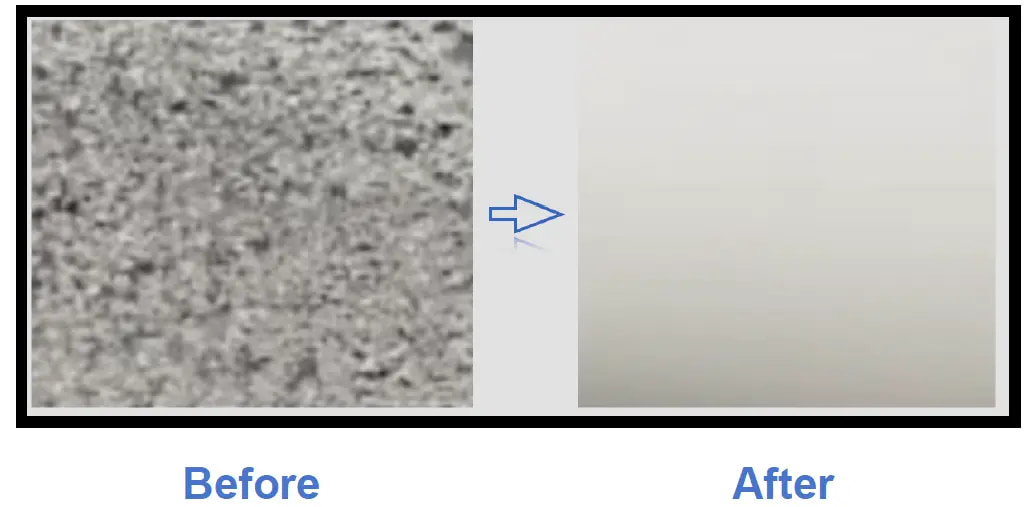
The original page includes a combined image labelled Before and After. It shows two different surface appearances and provides a visual reference for discussing preparation. The publication does not identify a measured roughness, glass grade, trial recipe or subsequent bond test for this image.
Use a representative sample and the agreed inspection method to connect appearance with the actual requirement. If roughness, cleanliness or edge condition matters to the next operation, record those criteria alongside the visual reference.
The Next Operation
Connect Preparation With Coating or Bonding
Blasting is one stage in the preparation route. Include subsequent rinsing, drying, handling and the interval before coating or bonding when defining the evaluation. These steps need to suit the required surface condition rather than being assumed from a general description of wet blasting.
Where the downstream specification includes surface activity, agree how that condition will be assessed with the coating or bonding team.
For an application involving semiconductor packaging, define the required cleanliness level, handling conditions and any process qualification as part of the proposed route and sample acceptance.
Your Application Brief
Prepare a Glass Application Brief
A useful starting brief includes:
- Glass designation, component dimensions, thickness and incoming surface condition.
- A marked drawing showing treatment faces, protected optical areas and handling limits.
- The unwanted layer or contamination, and the intended texture on the treated face.
- Coating or bonding requirements, including the method used to assess the completed result.
- Sample availability, proposed inspection and production handling needs.
With that information, the discussion can focus on whether abrasive preparation is appropriate and what a representative evaluation must demonstrate.