
Wet blasting combines water and abrasive media to clean and condition a component surface before coating. For cutting tools, the preparation objective is to remove unwanted surface material while controlling the condition of the cutting edge.
Start with the surface you have and the coating requirements you need to meet. The workpiece, existing contamination and acceptable edge change should guide the treatment and its validation.
The Preparation Objective
What Should Coating Preparation Achieve?
Define the required outcome before selecting a blasting process:
- Surface Appearance: Address discoloration, visible marks and uneven appearance.
- Burr Removal: Address fine burrs and surface irregularities that interfere with the required finish.
- Coating Readiness: Remove contamination and weak surface layers that can interfere with subsequent coating adhesion.
The treatment should preserve the features that matter to the finished tool. Agree which surfaces need treatment and which dimensions or edges require protection.
Start With Your Part
Match the Treatment to Your Component
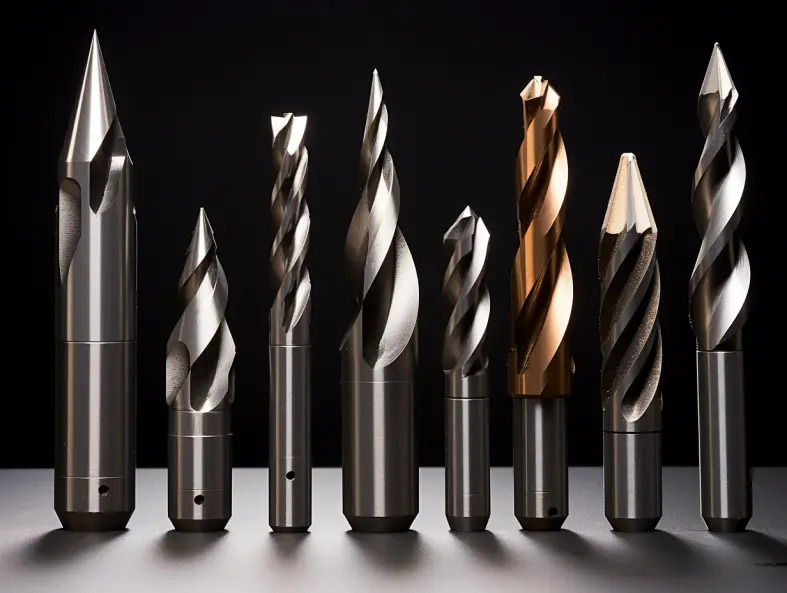
A useful application review begins with the component and its production requirements. Establish the following information with the manufacturing and coating teams:
| Application Detail | What to Define |
|---|---|
| Material and Starting Condition | Identify the substrate, existing contamination and any previous surface treatment. |
| Treatment Area | Mark the faces, edges or local regions that require preparation. |
| Edge and Dimensional Requirements | State the features that must be preserved and any permitted change. |
| Coating Requirements | Provide the coating process and its substrate preparation or cleanliness requirements. |
| Production Handling | Describe the part mix, production volume and how parts can be held and presented for treatment. |
Where a cutting edge also needs deliberate rounding, define that task alongside coating preparation. The Cutting Tool Edge Honing application explains that related treatment objective.
The Process
How Wet Blasting Prepares the Surface
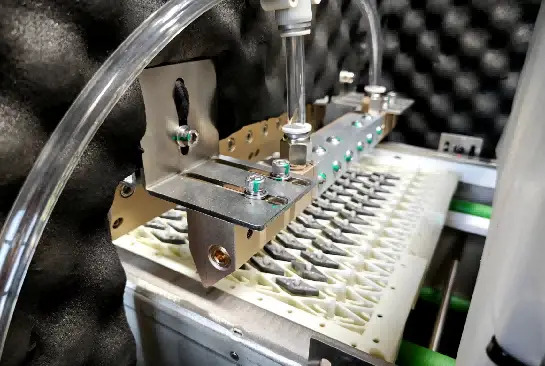
The process uses abrasive particles carried in water to act on the workpiece surface. Its preparation role can be considered through five connected functions:
- Controlled Abrasive Action: Remove unwanted surface material with a level of treatment suited to the component.
- Physical Surface Treatment: Use abrasive action for cleaning and conditioning; agree any cleaning chemistry or additives separately for the full process.
- Loose Abrasive Contact: Manage abrasive exposure to address contamination while limiting unwanted scratching or edge change.
- Water-Assisted Cooling: Use the water phase to carry away heat generated during treatment.
- Particle Removal: Use the water flow to carry displaced particles away from the treated surface, with subsequent cleaning assessed against the coating requirements.
Define the Process Around the Required Result
Discuss abrasive selection, treatment intensity, exposure and workpiece presentation together. The practical question is whether the proposed process reaches the required surface condition while preserving the part features identified in the application review.
Use representative components to establish the treatment window. Include the starting condition and subsequent cleaning requirements in the evaluation so that the trial reflects the intended production route.
Original Application Examples
Before-and-After Surface Examples
The following image pairs show the two component examples published with this application: a cutting insert and a plate-shaped part. Use them as visual references when discussing the appearance required for your component.
Cutting Insert
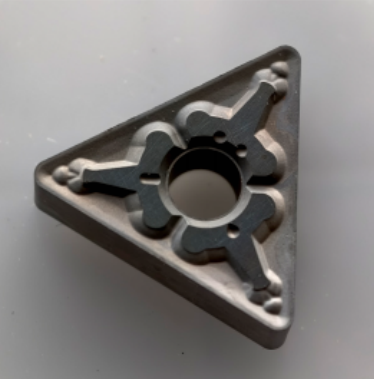
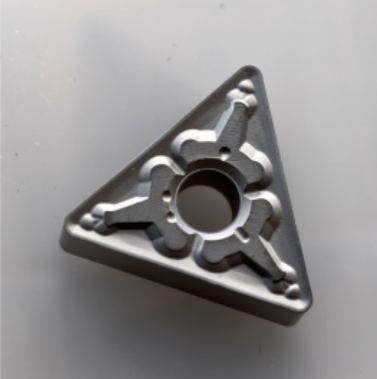
Plate-Shaped Component
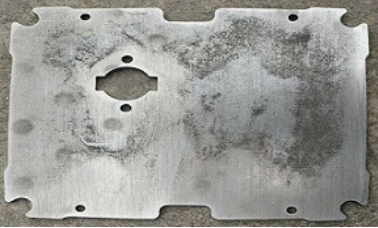
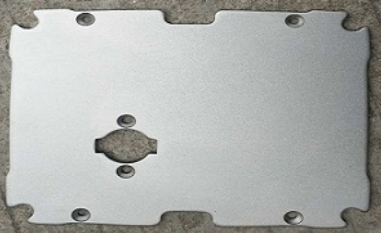
Surface appearance is one part of the evaluation. Agree the measurements and coating checks needed to establish whether a sample meets your production requirements.
Evaluate the Result
Agree How the Result Will Be Checked
Set the acceptance criteria before the trial. An application review can include the following checks, selected to suit the component and coating process:
| Evaluation Area | Questions to Resolve |
|---|---|
| Cleanliness | What contamination must be removed, and how will cleanliness be assessed? |
| Surface Texture | Is a measured texture requirement specified, and which measurement method will be used? |
| Edge Condition | Which edges must be preserved, and how will any permitted change be checked? |
| Coating Preparation | Does the treated and cleaned sample meet the coating provider’s preparation requirements? |
| Coated Result | Which coating performance checks are required after the subsequent coating operation? |
Record the trial conditions and the agreed assessment method with the sample results. This provides a basis for discussing the production process and any further development needed.
Equipment Selection
Equipment Options for Cutting Inserts
DasiAuto’s published specifications list pretreatment before coating among the insert-treatment applications for the DC-40 Double Chamber Wet Blasting Equipment and SC-40 Single Chamber Wet Blasting Equipment.
Review the relevant equipment with your part geometry, holding arrangement, cleaning requirements and production needs. Confirm the configuration through the application evaluation; for other tool geometries, include their holding and surface-access requirements in the enquiry. Use the wet blasting equipment overview to compare the broader range of part-handling formats.
Your Application Brief
What to Provide for an Application Review
Send the information that defines the preparation task:
- Component drawing or clear photographs, with the treatment areas identified.
- Substrate material and the condition of incoming parts.
- Existing burrs, contamination or surface appearance issues.
- Coating process and any preparation requirements supplied by the coating provider.
- Surface, edge and dimensional acceptance criteria, including the proposed assessment methods.
- Production volume, part variety and handling requirements.
These details help establish the questions to resolve in a sample evaluation and the equipment configuration to discuss.