Wet Blasting Equipment
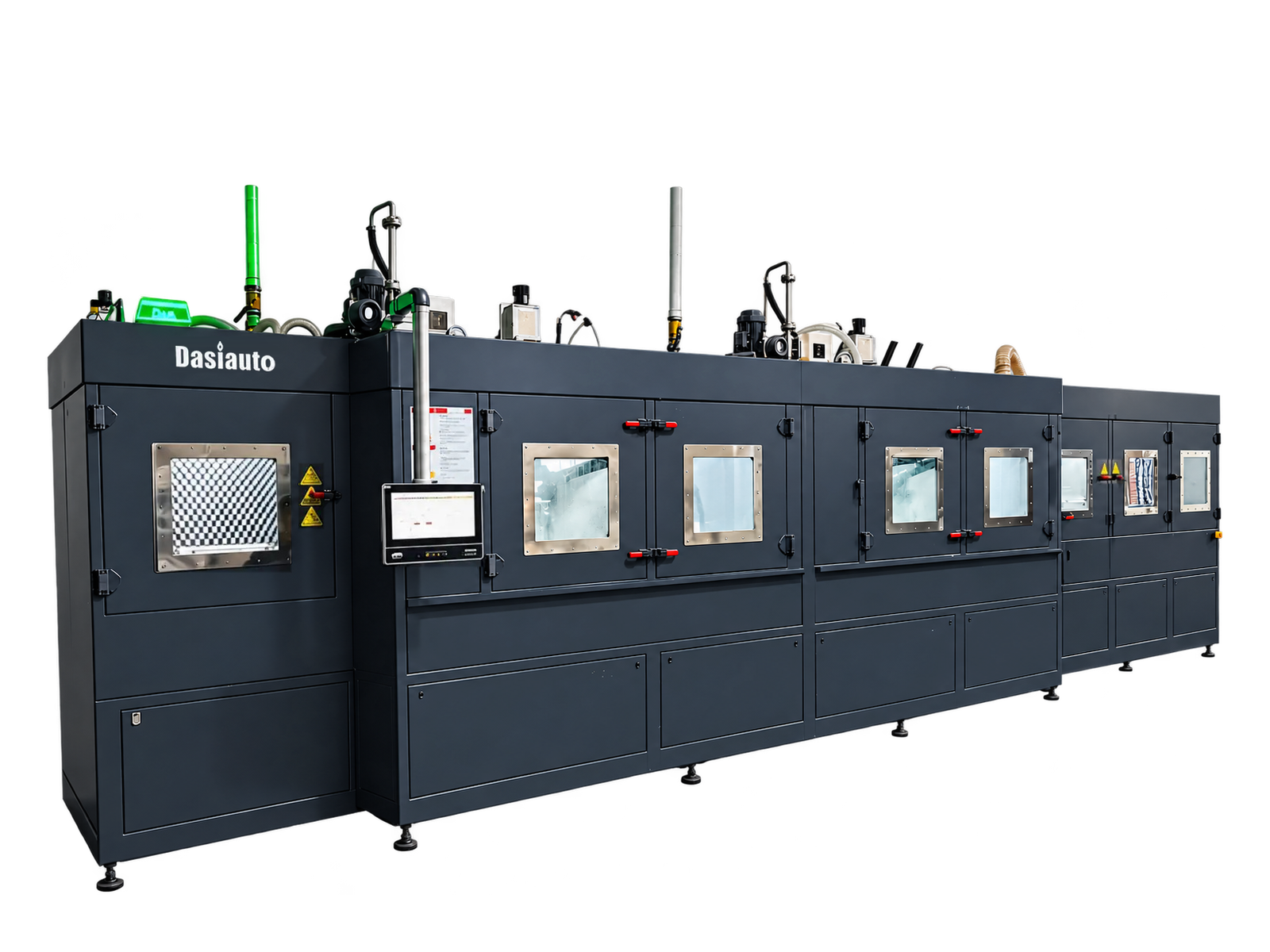
SC-40 Single Chamber Wet Blasting Equipment
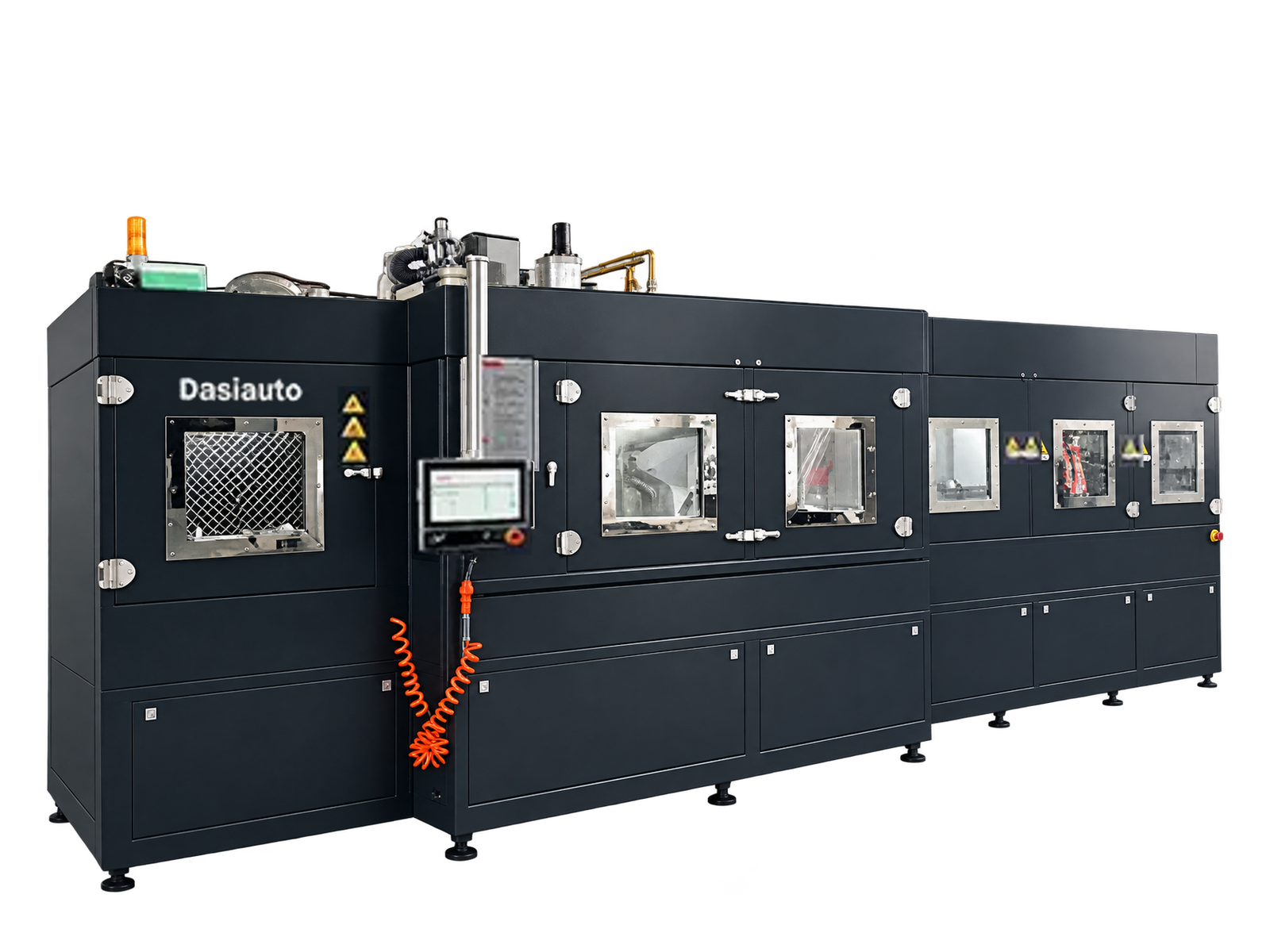
Single-chamber wet blasting with published uses for cutting-insert treatment before and after coating and for edge honing.
Process Overview
A Single-Chamber Treatment Configuration
The published SC-40 product data lists cutting-insert treatment before coating, after coating and for edge honing. Other workpieces require application and configuration review; replaceable hangers adapt the holding arrangement to the part.
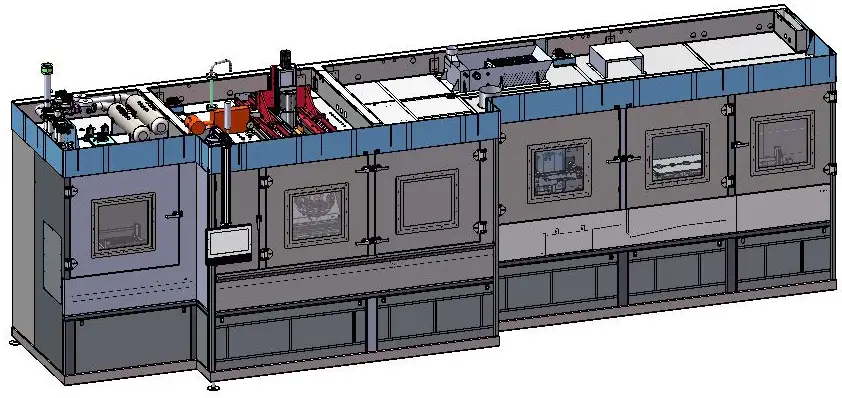
The single-chamber configuration brings together tray handling, wet blasting, cleaning, DI water rinsing, air knives and drying. Pressure supply, servo-controlled nozzle movement and the operation interface support the selected treatment sequence.
Equipment Details
SC-40 Components
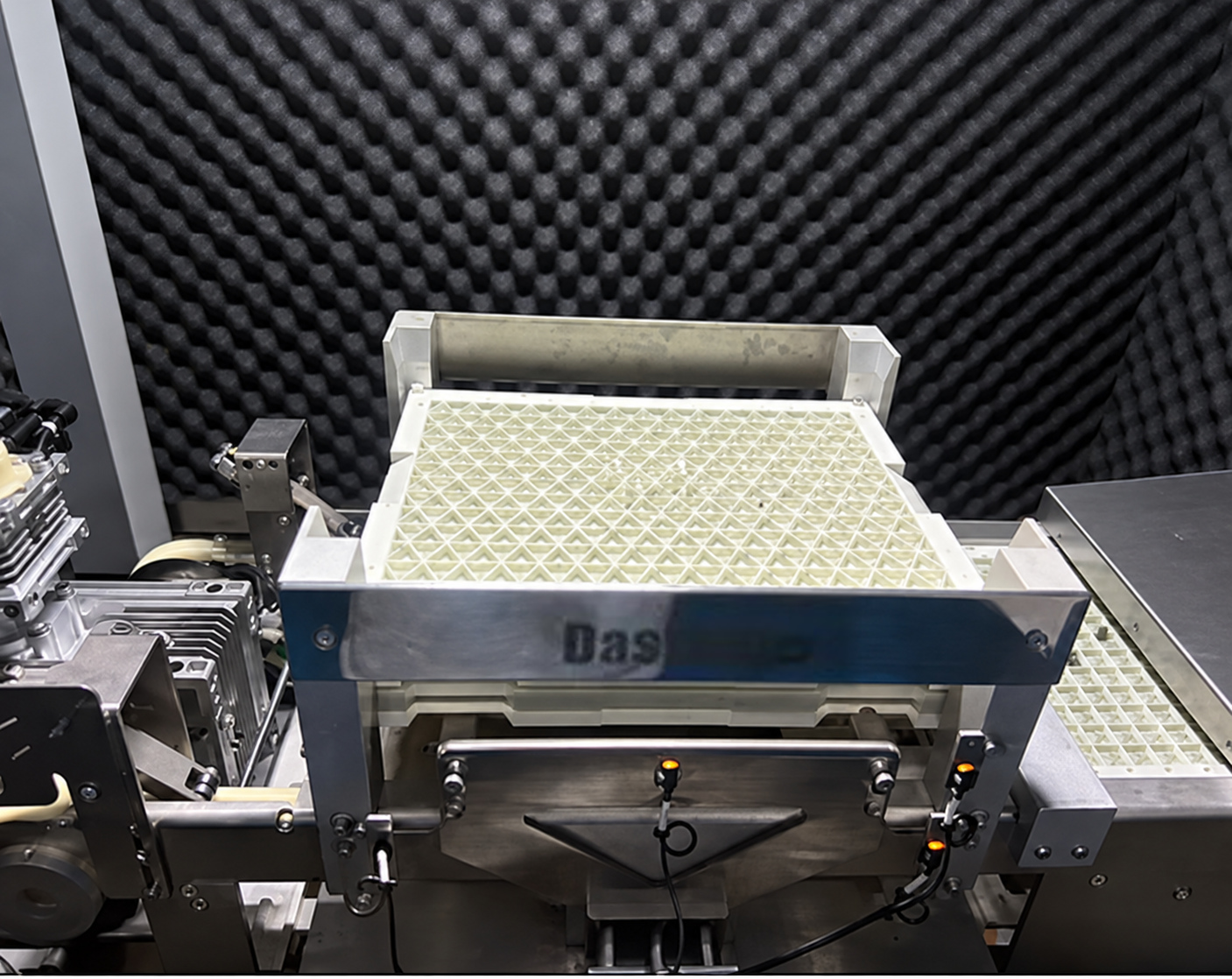
Loading and Unloading
Loading Unit
- High-accuracy servo motor
- Up to 20 trays
- Up to 40 kg
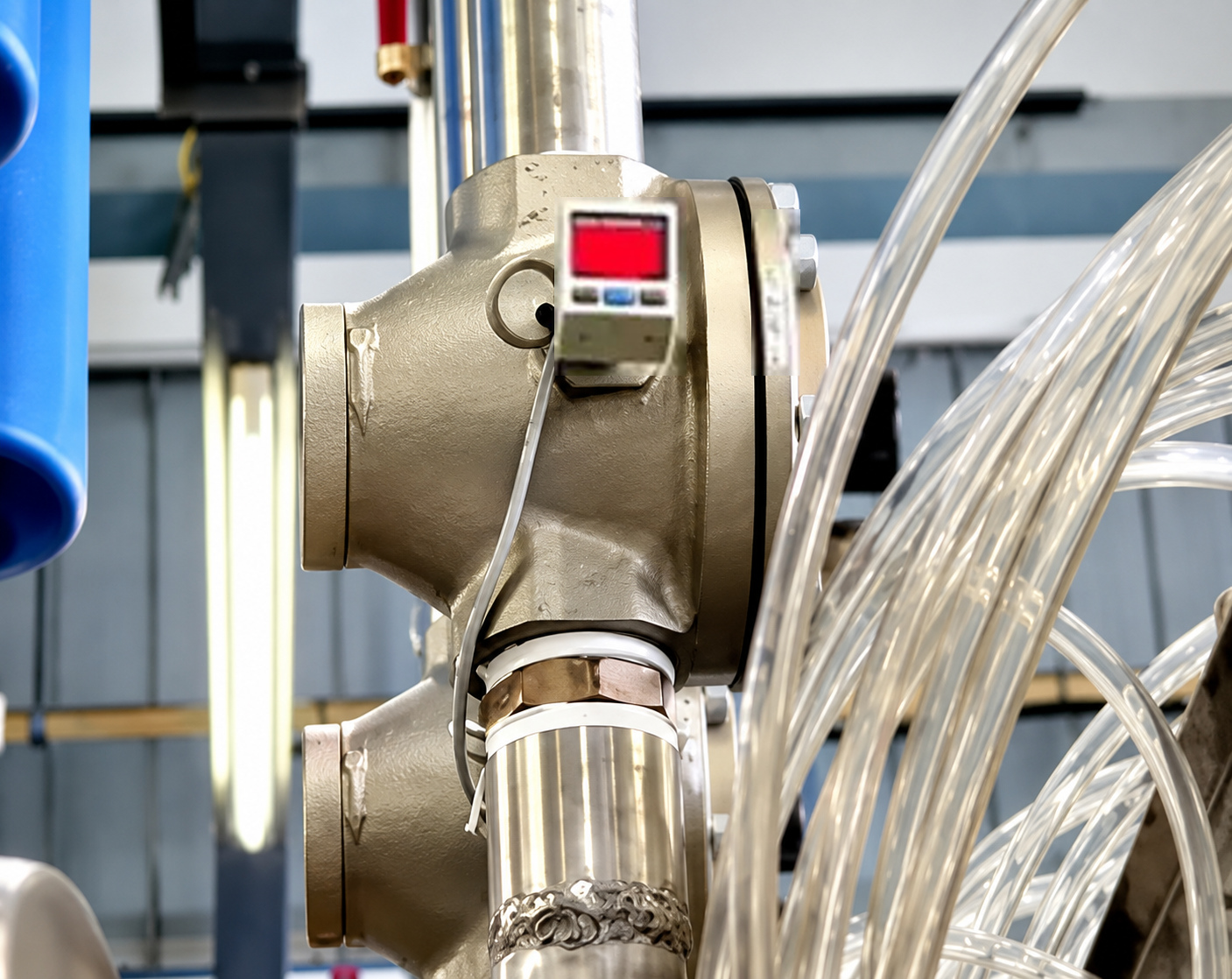
Blasting
Sand Blasting Unit
- Dual constant pressure supply
- Proportional valve
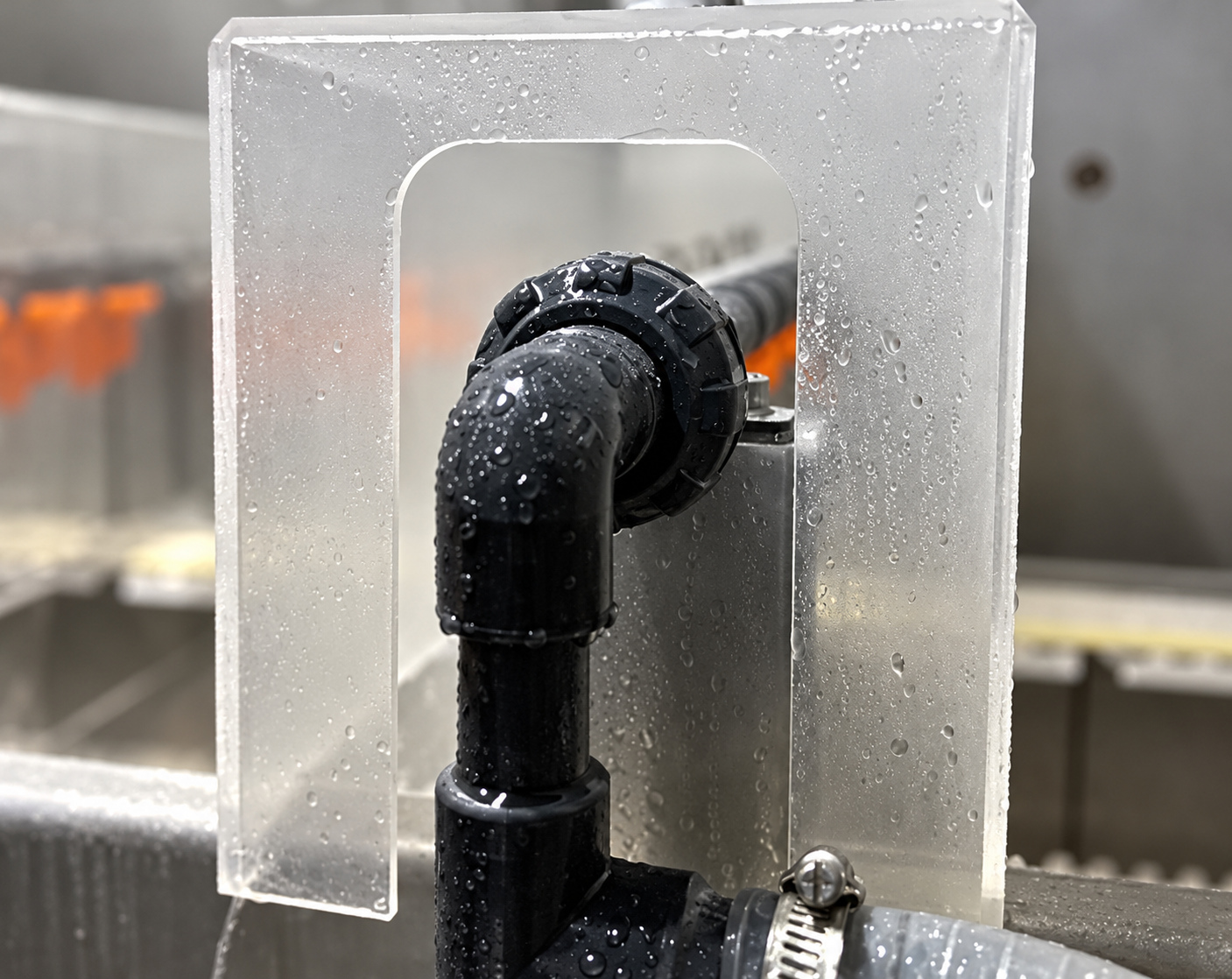
Cleaning and Drying
Cleaning Unit
- Deep cleaning
- Sand recycling
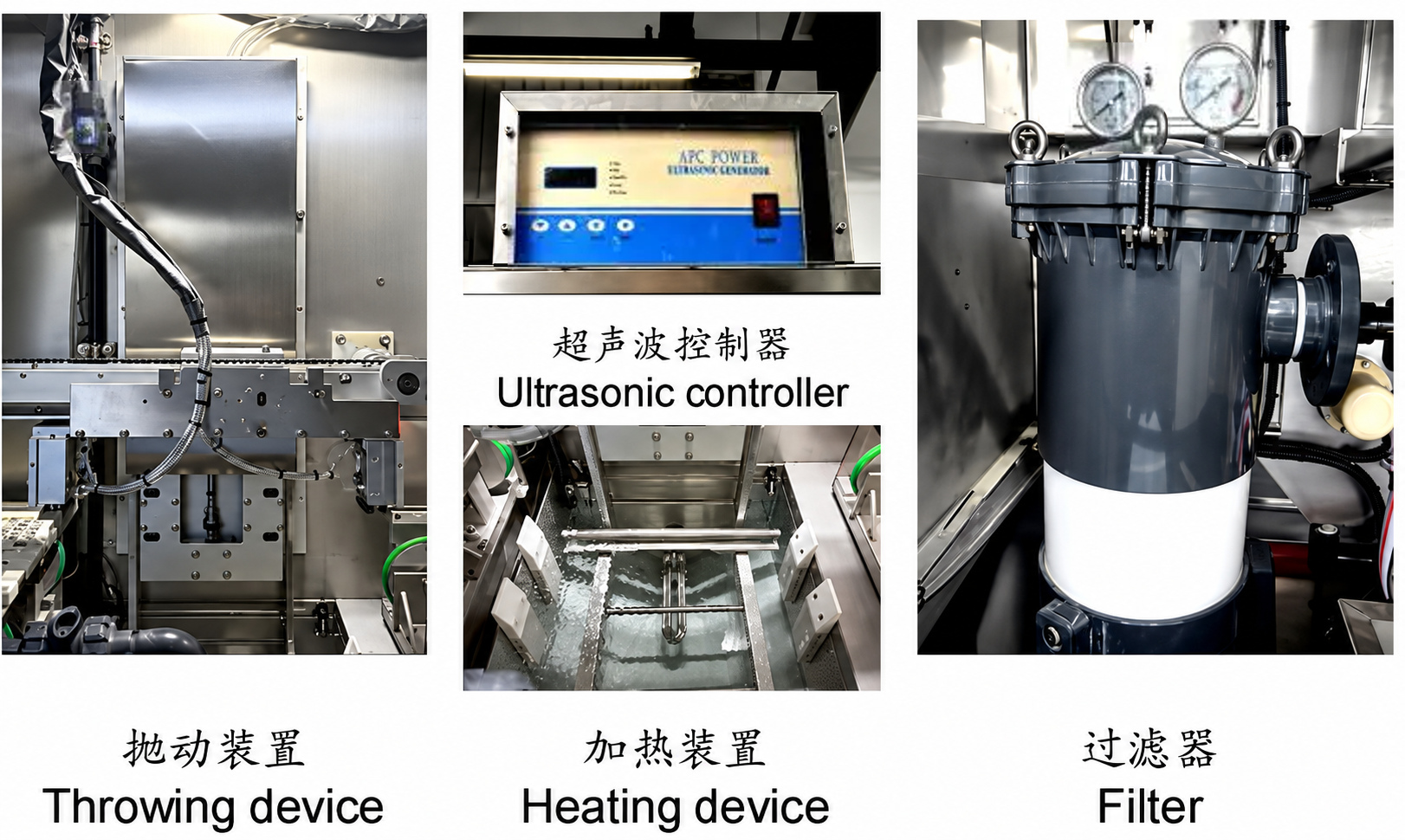
Cleaning and Drying
Ultrasonic Cleaning Unit
- Cover blind points on the parts
- Ultrasonic can disperse and remove dirt
- Heating can melt grease
- 20 µm filter
- High flow rate
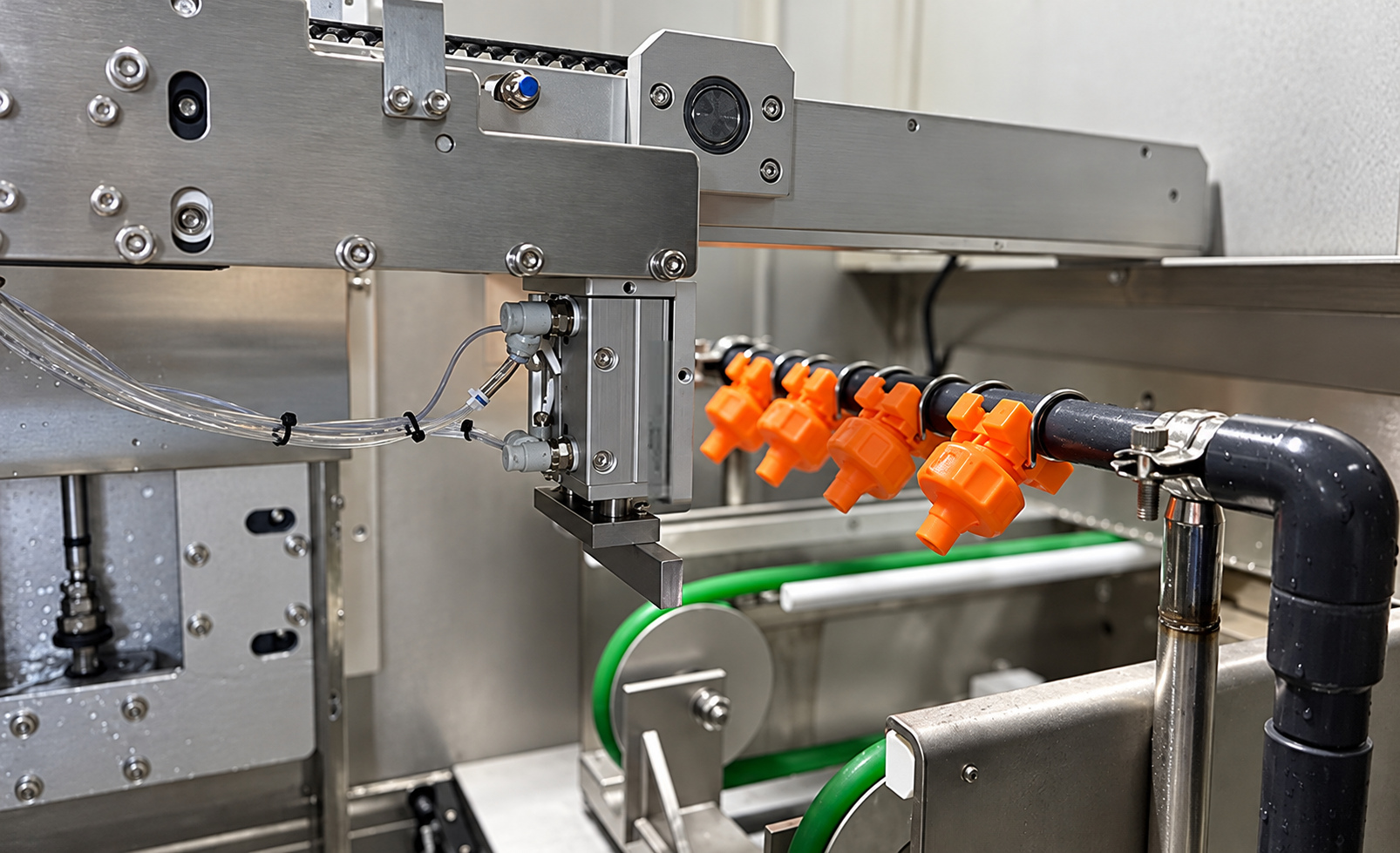
Cleaning and Drying
DI Water Rinsing Unit
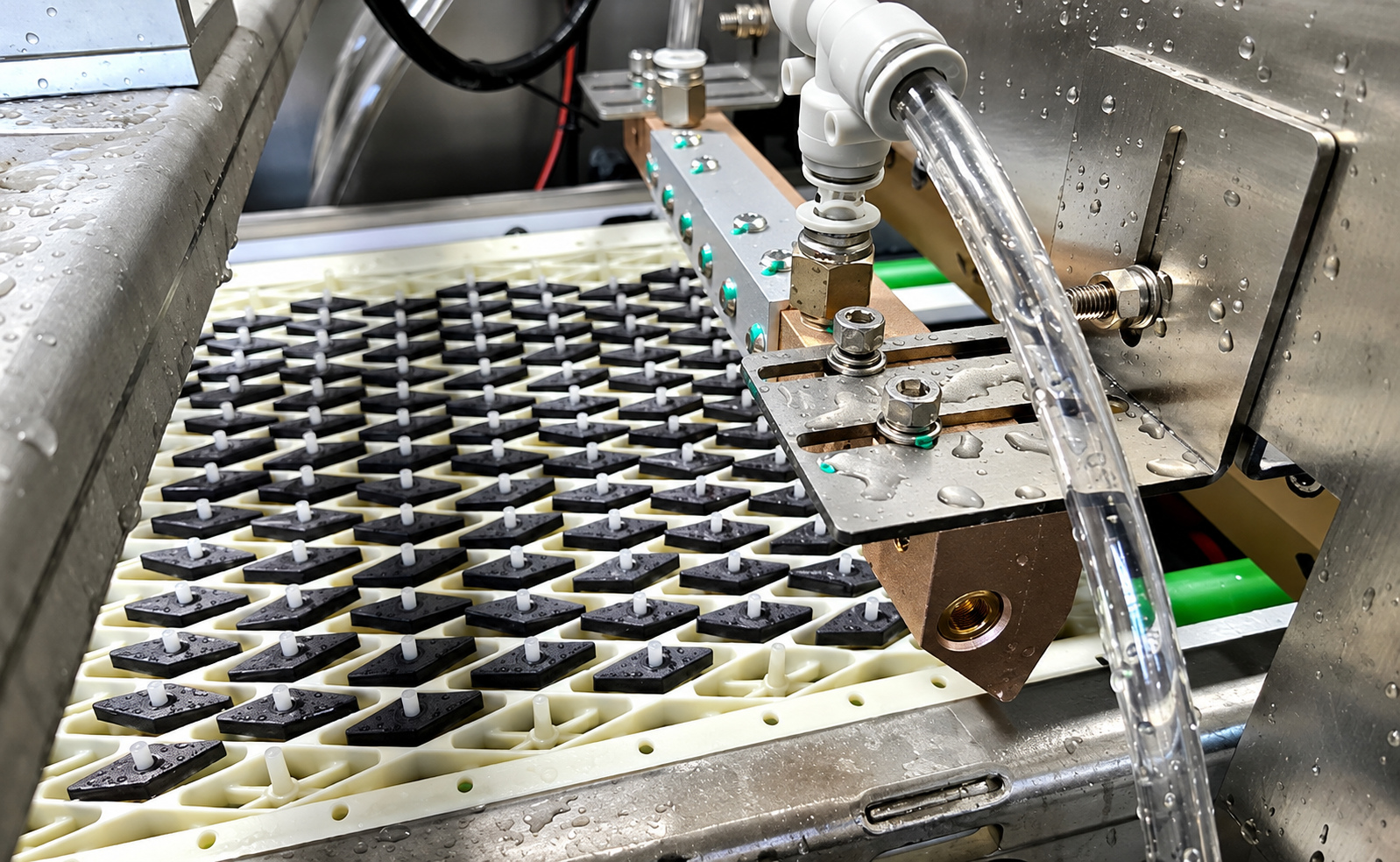
Cleaning and Drying
Air Knife Assembly
- One or two air knife sets optional
- Air knife blow water off from both top and bottom
- Efficiency improvement
- Energy saving & emission reduction
- Tray monitoring
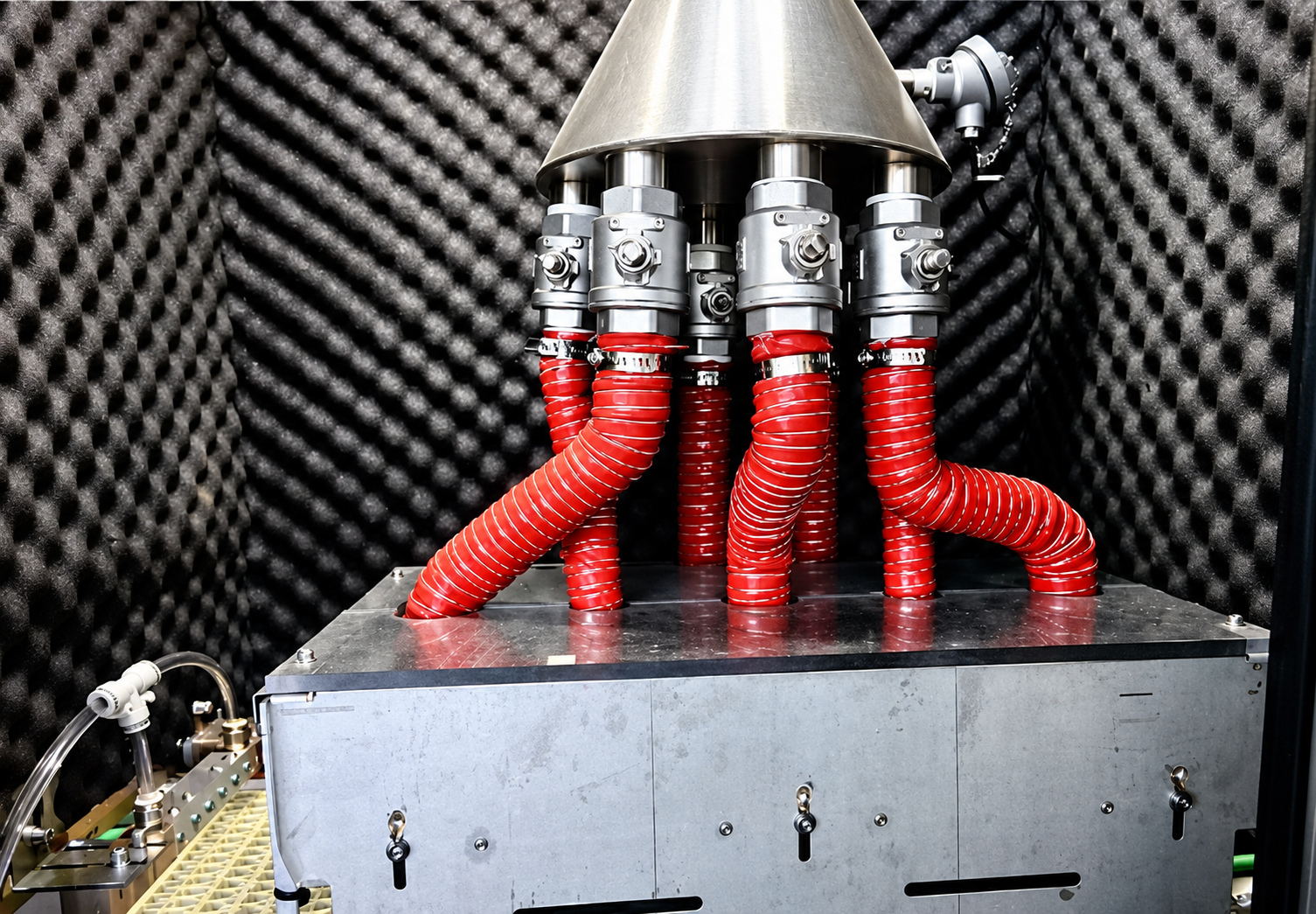
Cleaning and Drying
Drying Unit
- Vortex air pump for high air volume drying
- Dual control of wind and temperature for free adjustment
- Self-heating drying for energy-saving
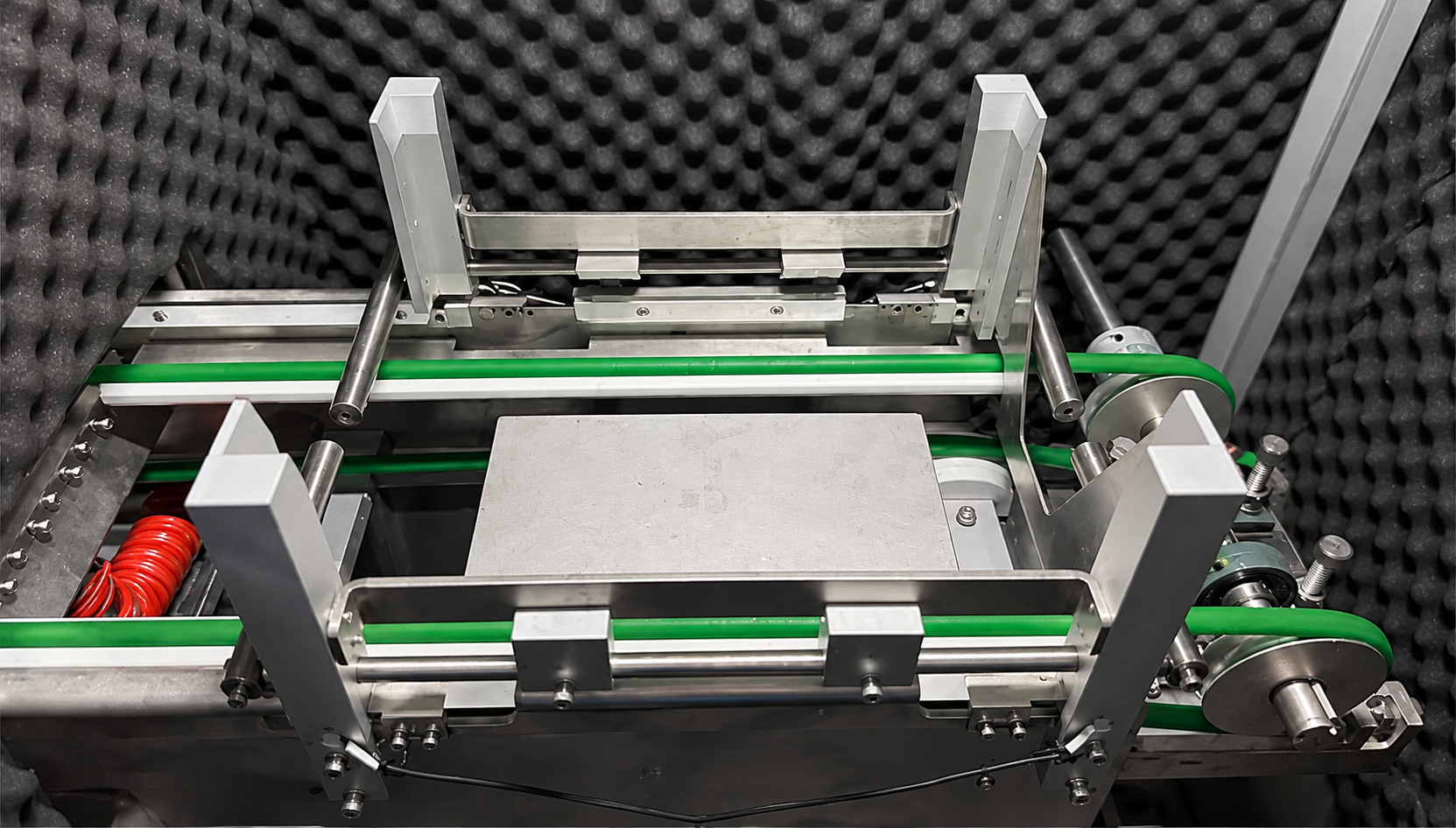
Loading and Unloading
Unloading Unit
- Up to 20 trays
- Remind to unload the trays, unmanned
- Up to 40 kg
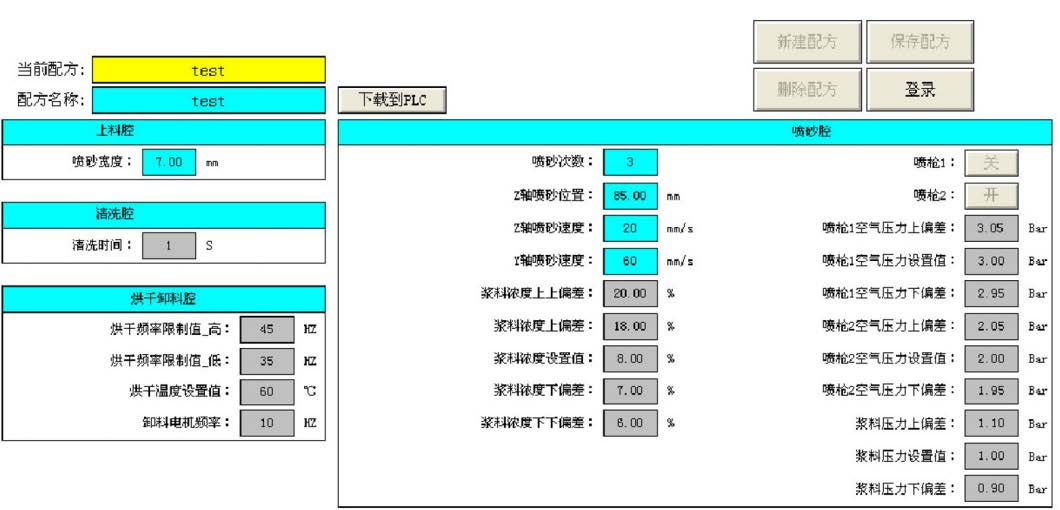
Controls
HMI Operation System
- Various optional processes
- Hierarchical management of permissions
- Multiple languages available
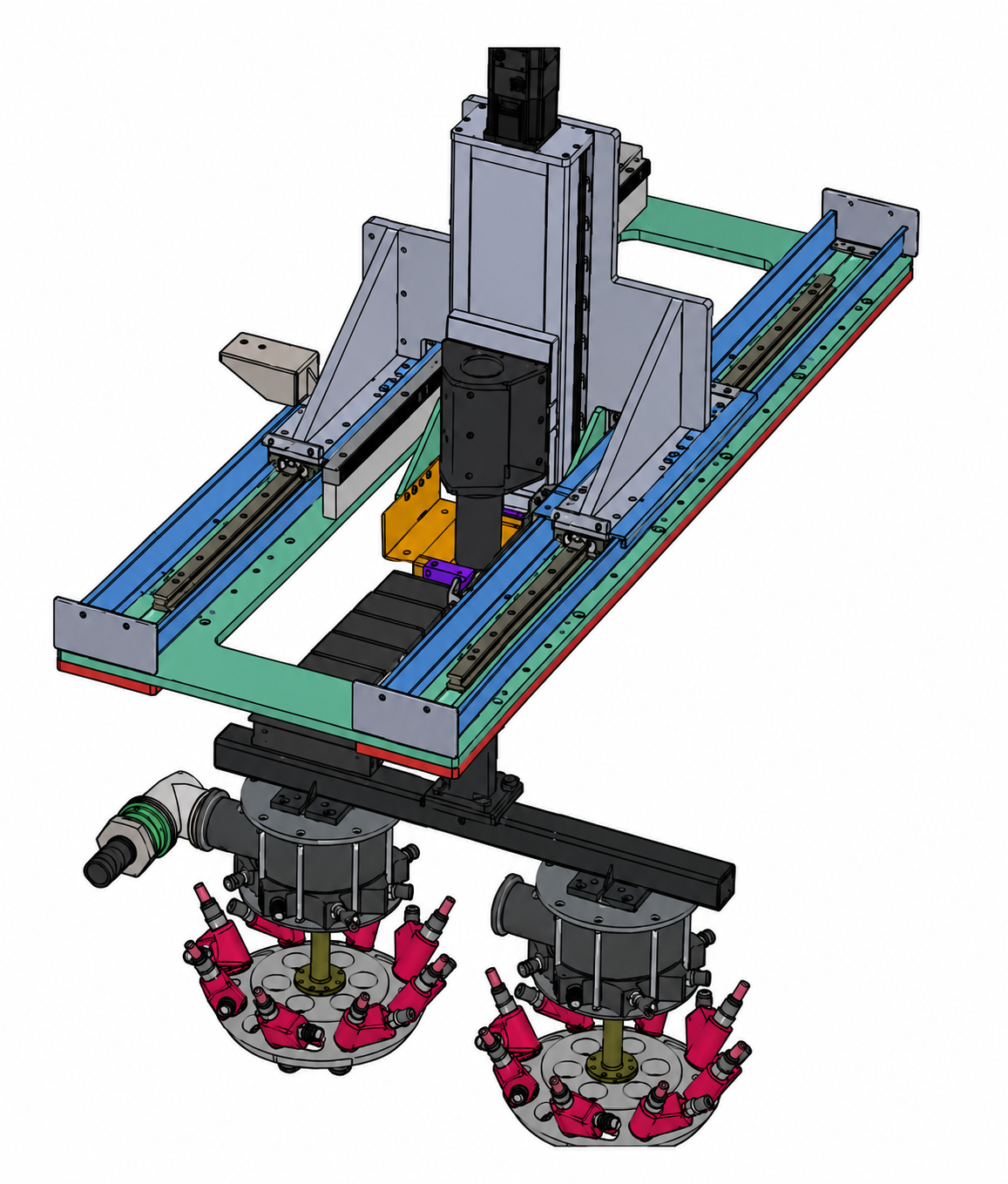
Blasting
Nozzle Moving Mechanism
- Guiderail/Pulley
- Slurry pressure equalizer and air pressure equalizer
- 0-600mm (Y-axle)
- 0-100mm (Z-axle)
- Servo control Y Z axle movement
Technical Data
SC-40 Specifications
Processing and Handling
- Sand Concentration
- 5-30%
- Cleaning Method
- Ultrasonic + Throwing + Heating + Rinsing with pure water
- Drying Method
- High pressure air flow for quick drying
- Tray Capacity
- Up to 40 kg
- Surface Treatment Capacity
- >40,000pcs/24h
- Honing Capacity
- >240,000pcs/24h
- Insert Treatment
- Pre-treatment before coating; Post treatment after coating; Honing
Monitoring and Supply
- Online Detection of Water and Slurry Concentration and Automatic Feeding
- Optional
- Online Detection of Water and Slurry pH Value and Automatic Adjustment
- Optional
- Fine Sand Separation and Filtering Function
- Yes
- Air Source Treatment and Filtration
- Optional
- Compressed Air
- 0-0.4Mpa
- Slurry Pressure
- 0-0.2MPa
Specifications shown are from the published product information. Confirm the workpiece, tray load definition and operating conditions for the required output. The published SC-40 honing capacity does not state a honing-radius condition.
Application Fit
Define Your SC-40 Configuration
Start with the workpiece and surface target, then define the hanger, tray arrangement and treatment sequence.
- Part and Fixture
- Part drawing, material, dimensions, loading arrangement and contact surfaces.
- Surface Target
- Pre-coating, post-coating or honing requirements and the inspection criteria.
- Batch Requirement
- Tray arrangement, batch size, load definition and required throughput.
- Site Conditions
- Available space, compressed air, water supply and electrical conditions.
Explore Further