

The TR Series
Wet Blasting Abrasive Media
Compare the TR series by particle characteristics and treatment goal. Find a starting point for your workpiece, then explore the published properties of each medium.
Abrasive Media
Explore the TR Series
Four media families for different surface treatment goals. Explore each model for its published properties, application context and particle size information.
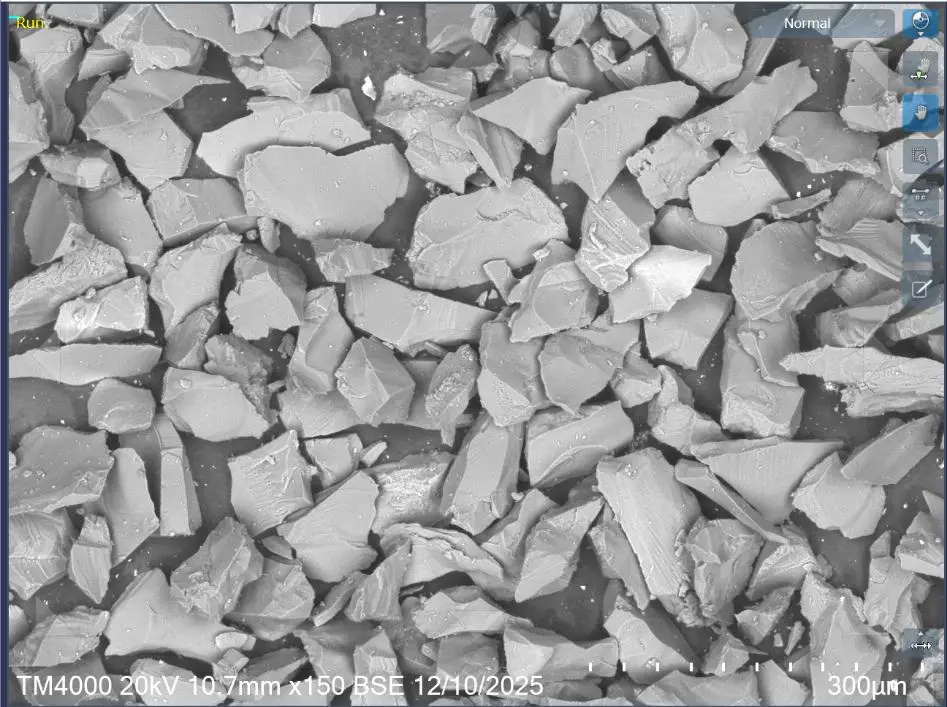
TR1000
Scale Removal & Deburring
High-hardness, high-toughness particles
Explore TR1000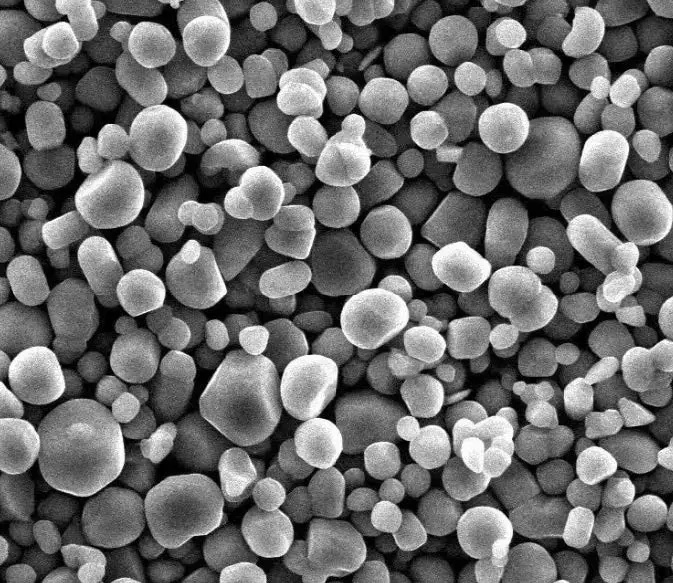
TR2000
Edge Honing & Coating Preparation
Spherical high-purity alumina
Explore TR2000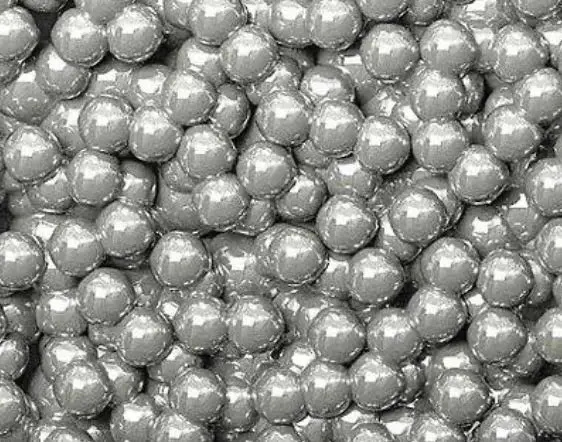
TR3000
Surface Finishing & Peening
Spherical media; the published description refers to glass bead or zirconia.
Explore TR3000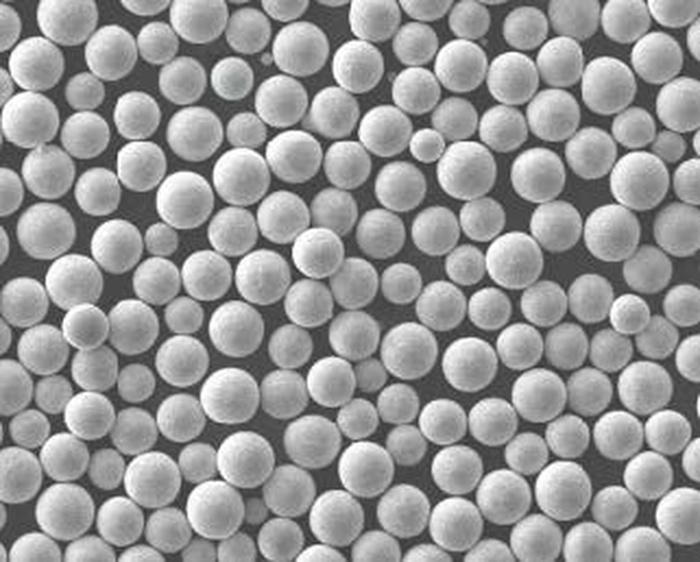
TR4000
Metal Deburring & Descaling
Spherical stainless steel
Explore TR4000
Compare the Media
Compare Abrasive Media
Review the differences before discussing a media grade. More than one model may be relevant to a treatment goal; the workpiece and processing conditions guide the choice.
| Model | Particle Characteristics | Main Treatment Goals | What to Confirm |
|---|---|---|---|
| TR1000 | High-hardness, high-toughness particles | Oxide-Scale Removal and Deburring | Confirm media composition, grade and the starting scale or burr condition. |
| TR2000 | Spherical high-purity alumina | Insert Honing and Surface Treatment Before or After Coating | Define the required edge condition and the treatment stage before or after coating. |
| TR3000 | Spherical media; the published description refers to glass bead or zirconia. | Cleaning, Semigloss Finishing, Peening and Deburring | Confirm the supplied material and grade against the required surface finish. |
| TR4000 | Spherical stainless steel | Metal Deburring, Peening and Descaling | Match the media grade to the metal, treatment intensity and required surface condition. |
These descriptions provide a starting point for selection. Confirm the supplied material and grade for your application; published particle size distributions are examples, not specifications for every grade or batch.
Media Selection
How to Choose Abrasive Media
Bring the workpiece, surface target and production conditions into the same discussion. These details help define the media and grade to evaluate.
Describe the Workpiece
Provide the material, dimensions and a drawing or clear photographs. Identify the areas to treat, the starting contamination, burrs or scale, and any features that must be preserved.
Define the Surface Target
State the finish or edge condition you need and how it will be assessed. For inserts, include the treatment stage and any Coating Preparation requirements from the coating provider.
Confirm the Media Grade
Share the current media, material and grade if known. Discuss particle shape, size and hardness against the surface target, and confirm the proposed supply grade before evaluating representative parts.
Describe the Production Conditions
Include the intended equipment, part holding, access to the treatment areas and production volume. Review processing conditions, media consumption and cost together when comparing the proposed configuration.
Applications
Explore Related Applications
Follow the treatment objective to understand the workpiece and process considerations.
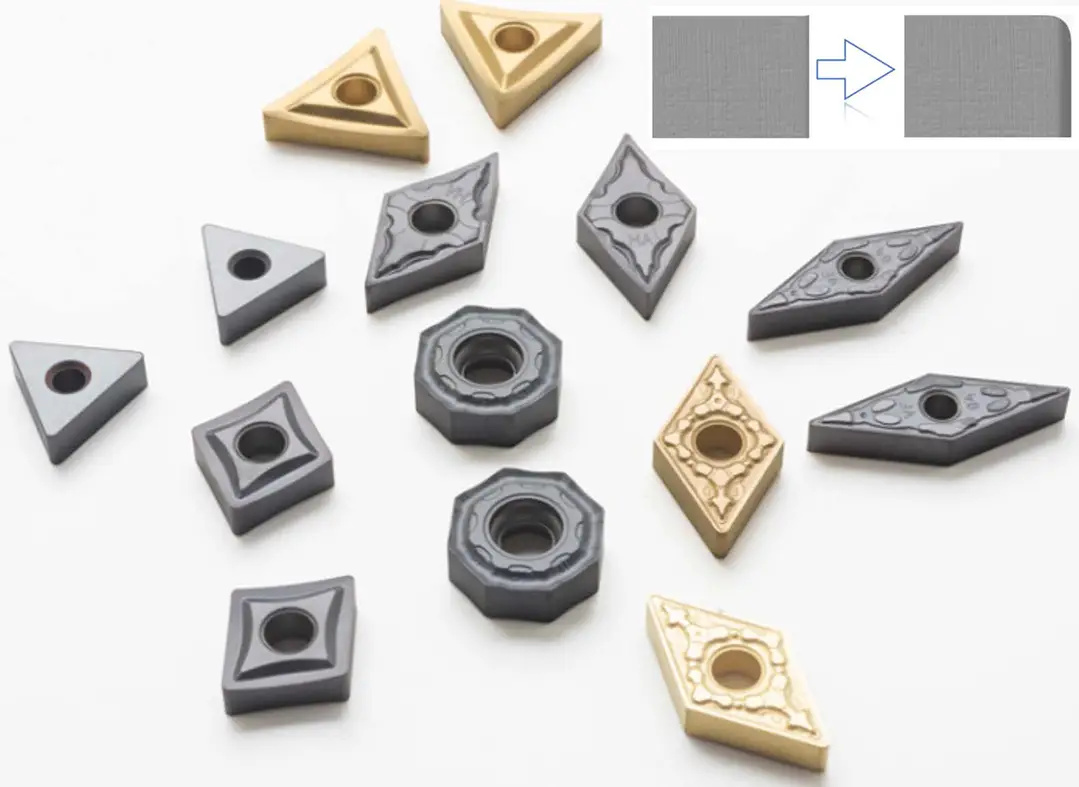
Cutting Tool Edge Honing
Define the required cutting edge condition and the features to preserve.
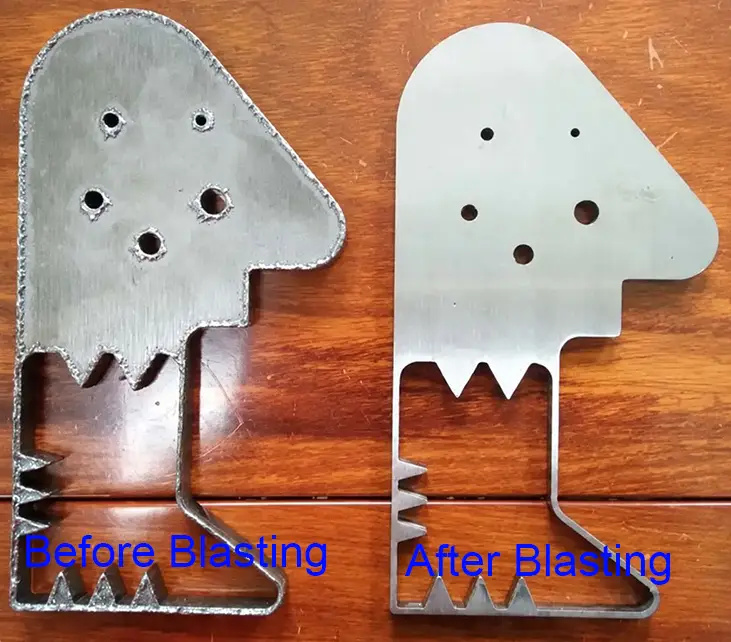
Metal Deburring
Start with the burr location, component geometry and acceptable surface change.
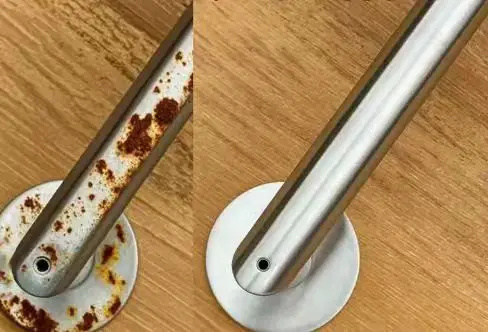
Scale Removal
Review the starting surface and the scale removal requirement.
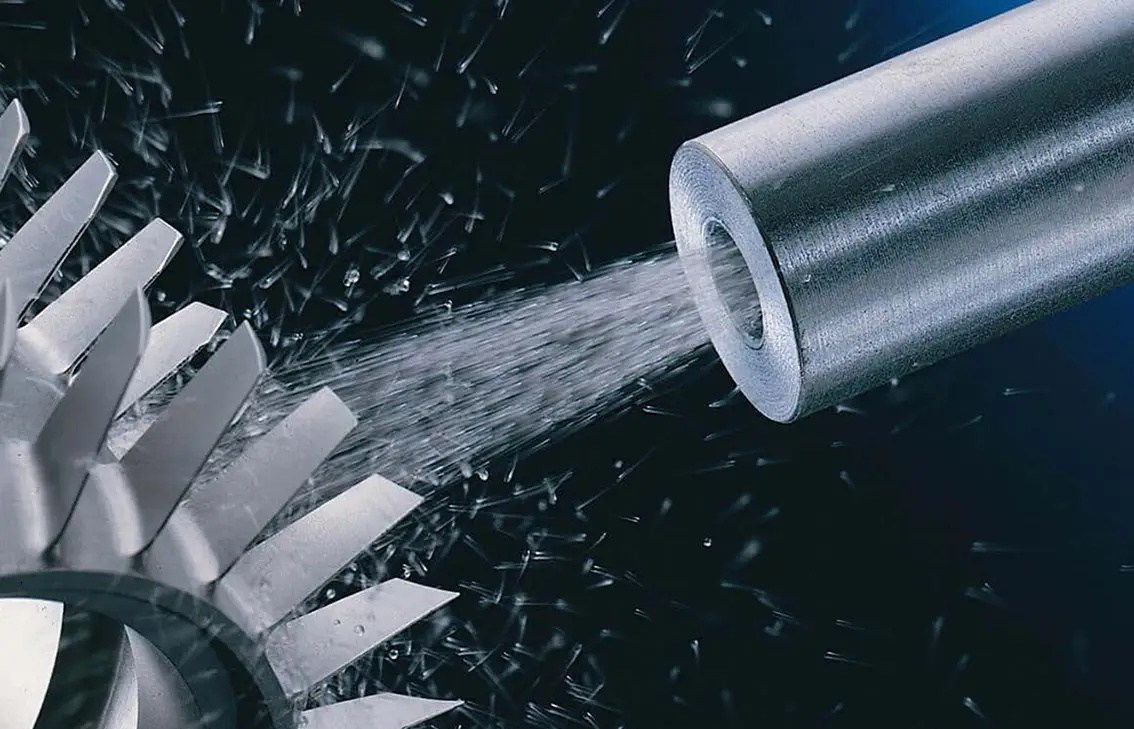
Surface Peening
Consider the component and its specified surface treatment requirements.